 It’s not controversial to say that nobody likes bed bugs. When you read or hear about their behaviour, it can make you wonder if these are simple pests or something more. After all, these small insects spend their day hiding in small crevices near where you sleep. As the sun falls below the horizon and night arrives, they seek out their preferred meal: human blood. When their thirst for human blood has been quenched, bed bugs spawn in vast numbers. What may start as an accidental introduction soon grows into an infestation; the worst part? It may take a while before they leave on their own.
This is a slight overdramatization, but it’s easy to understand why the sight of a bed bug causes panic in even the most stoic of figures. Instead of overreacting to a sighting, it’s essential to stay calm and think logically and clearly. That is, make sure to avoid some common bed bug mistakes.
It’s not controversial to say that nobody likes bed bugs. When you read or hear about their behaviour, it can make you wonder if these are simple pests or something more. After all, these small insects spend their day hiding in small crevices near where you sleep. As the sun falls below the horizon and night arrives, they seek out their preferred meal: human blood. When their thirst for human blood has been quenched, bed bugs spawn in vast numbers. What may start as an accidental introduction soon grows into an infestation; the worst part? It may take a while before they leave on their own.
This is a slight overdramatization, but it’s easy to understand why the sight of a bed bug causes panic in even the most stoic of figures. Instead of overreacting to a sighting, it’s essential to stay calm and think logically and clearly. That is, make sure to avoid some common bed bug mistakes.
Don’t Panic
If you see a bed bug in your home, the best first step is to take a deep breath. Bed bugs are controllable, and their presence doesn’t have to result in burning down your current residence and finding a new place to live that’s far, far away. There are many home remedies for bed bugs that you can find online. For the most part, these are all unreliable and should not be used. An effective bed bug treatment plan will reduce their number efficiently while preventing harm to yourself, your family, and your home. So, if you see a bed bug, don’t panic. Instead, reach out to a professional pest control company, like Truly Nolen of Niagara, to help you get the issue under control.Don’t Try To Kill Them Yourself
There are a variety of ways that people try to kill bed bugs that are either ineffective or too effective, causing them to injure the person using them. Generally, if you’re using a product to kill the bed bugs, it’s best to follow some general rules of thumb:- Don’t use outdoor pesticides
- Don’t use homemade or “custom-formulated” products
- Don’t use products with non-English labels
- Don’t use flammable sprays or solutions, such as alcohol, gasoline, and kerosene
Don’t Move Your Furniture (Or Buy New Furniture)
It can be tempting to move furniture out of a contaminated room into a clean one. However, this can cause the infestation to spread, which makes it harder to eventually bring the issue under control. Even throwing out furniture may lead to further infestations, if not for you, then someone else. Some people believe that wrapping furniture in black plastic and placing it in the sun will kill the bed bugs. The theory is the black plastic attracts the sun’s rays, causing the interior of the bag to heat up to an unlivable temperature. However, this method is not likely to get the inside of the bag hot enough to kill every bed bug. When that furniture is brought in, you may still be bringing live bed bugs into your home.Call Truly Nolen Canada
So, now that there’s a list of things to avoid doing when you spot a bed bug in your home, what should you do? The best first step is calling a professional pest control company, such as Truly Nolen. Contact us today to safely and effectively get your bed bug problem under control.Related Posts
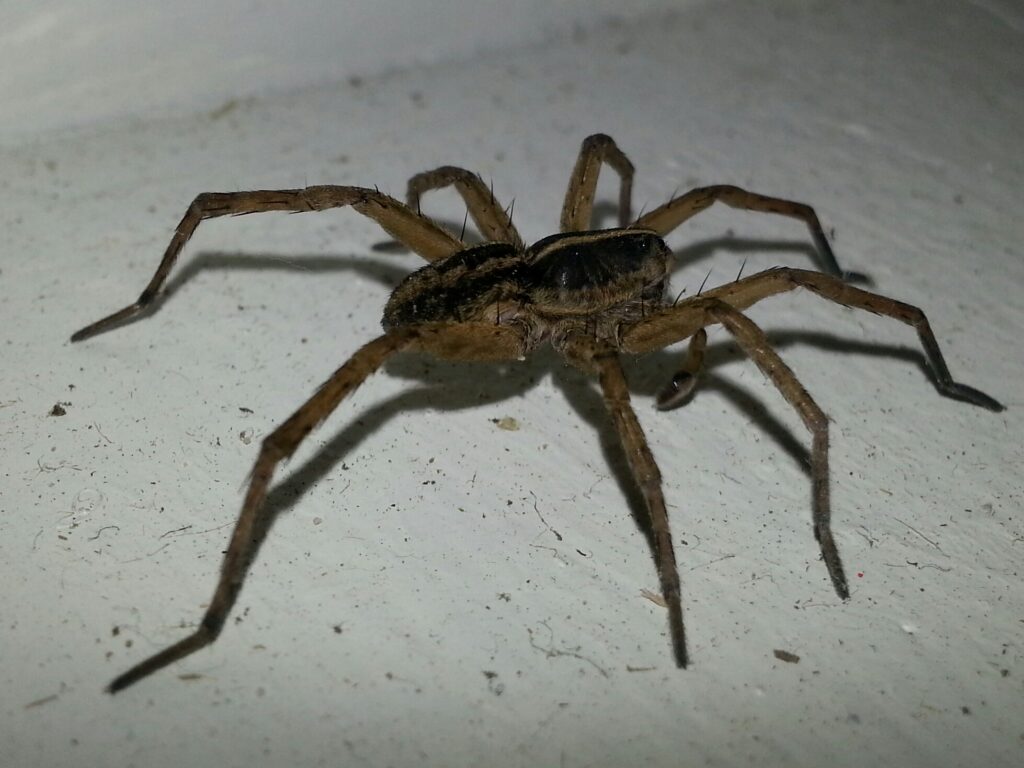
The Correct Way to Handle Canadian Spiders
Ideally, Canadian residents would prefer to never have to deal with any pests – it’s just better that way. Unfortunately, pests are pretty much everywhere, so dealing with them at some point in time is a reality. But if you had the opportunity to …

Avoiding Summer Pests in Canada
Warm weather and the long-awaited start of summer gives any Canadian a reason to celebrate. But the hot and humid summer weather also creates an ideal paradise for annoying pests. Following a few simple prevention-based tips can keep common pests …
Truly Nolen Canada Supports Crime Stoppers of Grey Bruce Inc. At Local Charity Golf Tournament
Dear Ms. Reinwald, On behalf of the Board of Directors of Crime Stoppers of Grey Bruce and the tournament organizers, I would like to express our sincere gratitude to you for donating a pest-proof mattress cover as an auction item toward our 22nd …